The story of *Cape Fear* is one of Hollywood’s most enduring modern
The story of Cape Fear is one of Hollywood’s most enduring modern myths—a lean, terrifying parable about security, vengeance, and the thin line between civilization and primal violence. Based on John D. MacDonald’s 1957 novel The Executioners, the narrative has been reshaped across three distinct eras, evolving from a stark, black-and-white moral fable into a decadent psychological nightmare, and finally, into a sprawling, modern prestige television epic.
By tracing the evolution from the 1962 original to Martin Scorsese’s 1991 blockbuster and Apple TV+'s 10-part miniseries, we can see exactly how Hollywood’s definition of "fear" has shifted over the decades.
1. 1962: The White Hat vs. The Boogeyman
The original 1962 film, directed by J. Lee Thompson (The Guns of Navarone), plays out like a classic psychological Western disguised as a Hitchcockian thriller.
The Conflict: Sam Bowden (Gregory Peck) is an upstanding, morally pure lawyer and family man. Max Cady (Robert Mitchum) is a sleazy, animalistic ex-con newly released from an eight-year prison sentence. Cady blames Bowden for his incarceration and begins a meticulous campaign of psychological terrorism against Sam, his wife, and his young daughter.
The Dynamic: Cady is uniquely terrifying because he understands the law. He stays just within legal boundaries—staring from across the street, making vague insinuations—leaving the police powerless and forcing the noble Bowden to compromise his own ethics just to protect his family.
Peck is the ultimate symbol of mid-century American decency, but it is Robert Mitchum who steals the film. Method-acting the role with a terrifyingly casual, shirt-open menace, Mitchum created an indelible blueprint for the cinematic psychopath. Backed by Bernard Herrmann’s iconic, brass-heavy score, the original film was a masterclass in slow-burn suspense, even if the restrictive Hays Code forced the filmmakers to mute some of the book's darker sexual undertones.
2. 1991: The Deconstruction of the American Family
When Martin Scorsese teamed up with Robert De Niro for the 1991 remake, they didn't just update the technology; they tore down the original film's moral framework. Where the 1962 film featured a good family attacked by an external evil, Scorsese’s version suggests the evil is already inside the house.
The Gray Area: Nick Nolte’s Sam Bowden is no longer a saint. He is a compromised defense attorney who actively buried evidence that might have mitigated Cady’s rape trial, violating his legal oath because he believed Cady belonged behind bars. He is also a serial adulterer, and his relationship with his wife Leigh (Jessica Lange) and teenage daughter Danielle (Juliette Lewis) is fractured by resentment long before Cady rolls into town.
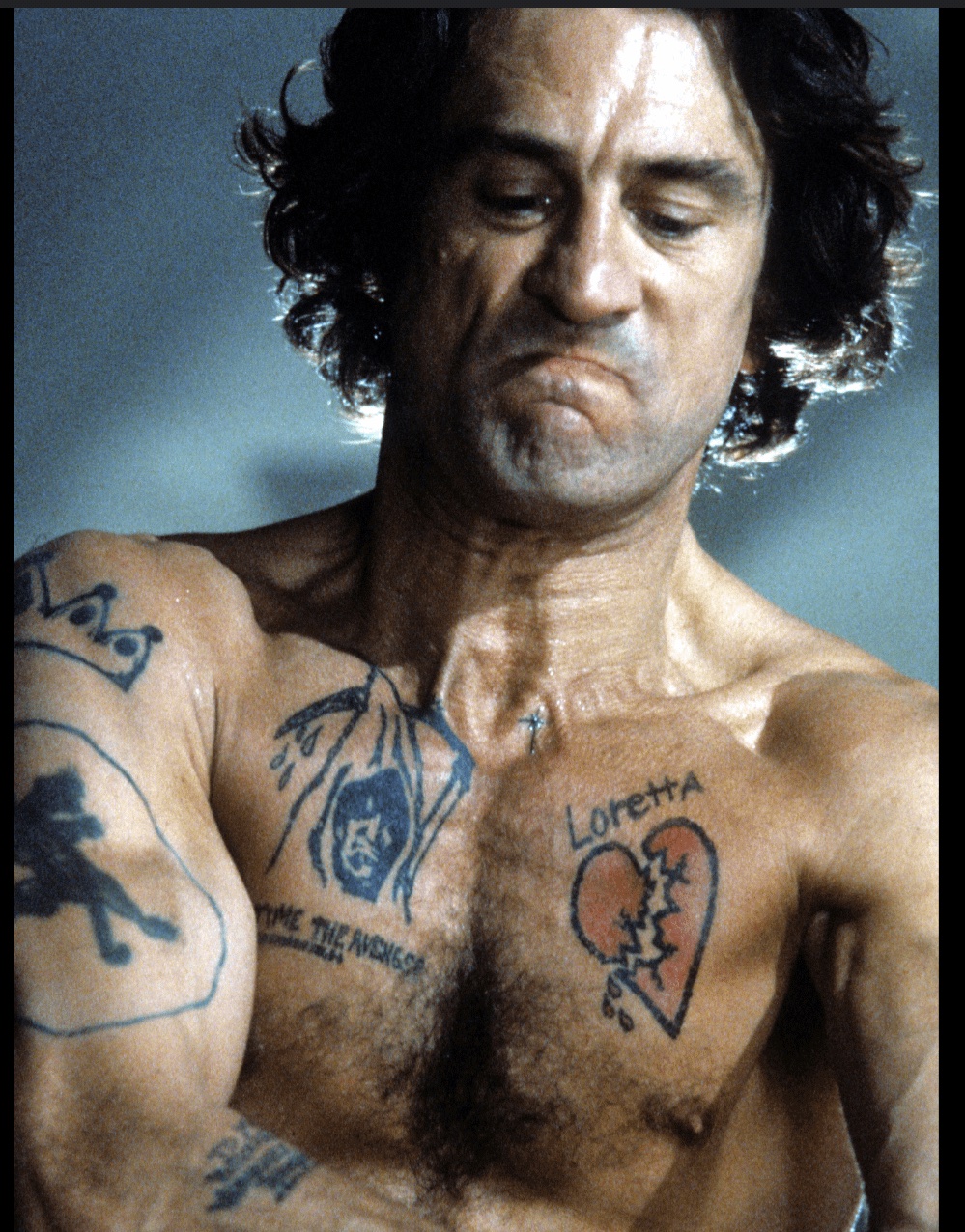
The Monster: Robert De Niro’s Max Cady is an apocalyptic upgrade. illiterate when he went in, he spent 14 years in prison learning to read, studying the law, and consuming philosophy (specifically Nietzsche) alongside the Bible. Covered in scripture tattoos and possessing an almost supernatural tolerance for pain, De Niro plays Cady not as a sleazy thug, but as a hyper-intelligent, literal angel of destruction sent to punish Bowden for his hypocrisy.
Scorsese dials the cinematic intensity to eleven, using disorienting camera movements, inverted colors, and an adapted version of Herrmann's original score. In a brilliant nod to film history, Scorsese cast the original stars—Gregory Peck, Robert Mitchum, and Martin Balsam—in supporting roles, passing the torch to a new generation of cinematic dread.
3. The New Series: A Contemporary Nightmare of Shades of Gray
The 10-part miniseries spearheaded by showrunner Nick Antosca (The Act, Channel Zero) moves the story forward into the modern landscape. Executive produced by both Martin Scorsese and Steven Spielberg, this iteration expands the 2-hour thriller format into a sprawling psychological drama that challenges everything we expect from the franchise.
The Structural Twist: Instead of Cady targeting a lone male lawyer, the series completely upends the dynamic. Max Cady (played with a brilliant, mercurial intensity by Javier Bardem) targets two lawyers who are now married: Tom Bowden (Patrick Wilson), the prosecutor who put him away, and Anna Bowden (Amy Adams), who actually served as Cady's defense attorney 17 years prior.
A New Breed of Tension: By making Anna the central pivot point—a woman who entered a questionable guilty plea for her client and later married the prosecutor—the narrative becomes incredibly complex. This Cady isn't just an engine of violence; he is an ambiguous, deeply seductive force who enters an uneasy alliance with his former legal team to free another wrongfully convicted prisoner, keeping the audience guessing about where the true villainy lies.
Modern Warfare: Set against a humid, haunted Southern Gothic backdrop, the series utilizes modern tools of terror. The psychological warfare is mediated through smartphones, podcasters, rideshares, catfishing, and public shaming, proving that in the digital age, a reputation can be destroyed long before any physical blood is spilled.
The Legacy of the Cape Fear River
| Era | Director / Showrunner | Sam/Tom Bowden | Max Cady | Core Theme |
|---|---|---|---|---|
| 1962 | J. Lee Thompson | Gregory Peck | Robert Mitchum | The fragility of law vs. primal malice. |
| 1991 | Martin Scorsese | Nick Nolte | Robert De Niro | Guilt, hypocrisy, and biblical retribution. |
| Modern | Nick Antosca | Patrick Wilson & Amy Adams | Javier Bardem | Generational trauma, systemic corruption, and digital isolation. |
Whether it’s Mitchum’s quiet, lingering stares in black-and-white, De Niro screaming in tongues on a burning boat, or Bardem navigating a hall of mirrors in a modern media landscape, Cape Fear remains the ultimate story about what happens when our comfortable lives are forced to look directly into the eyes of the past.